Guides · Everglades City, Florida
What Is Everglades City Known For? Stone Crab & History
Everglades City is a town built on a promise that never arrived. Stripped of its county seat. Now defined by stone crab, quiet streets, and the swamp at its doorstep.
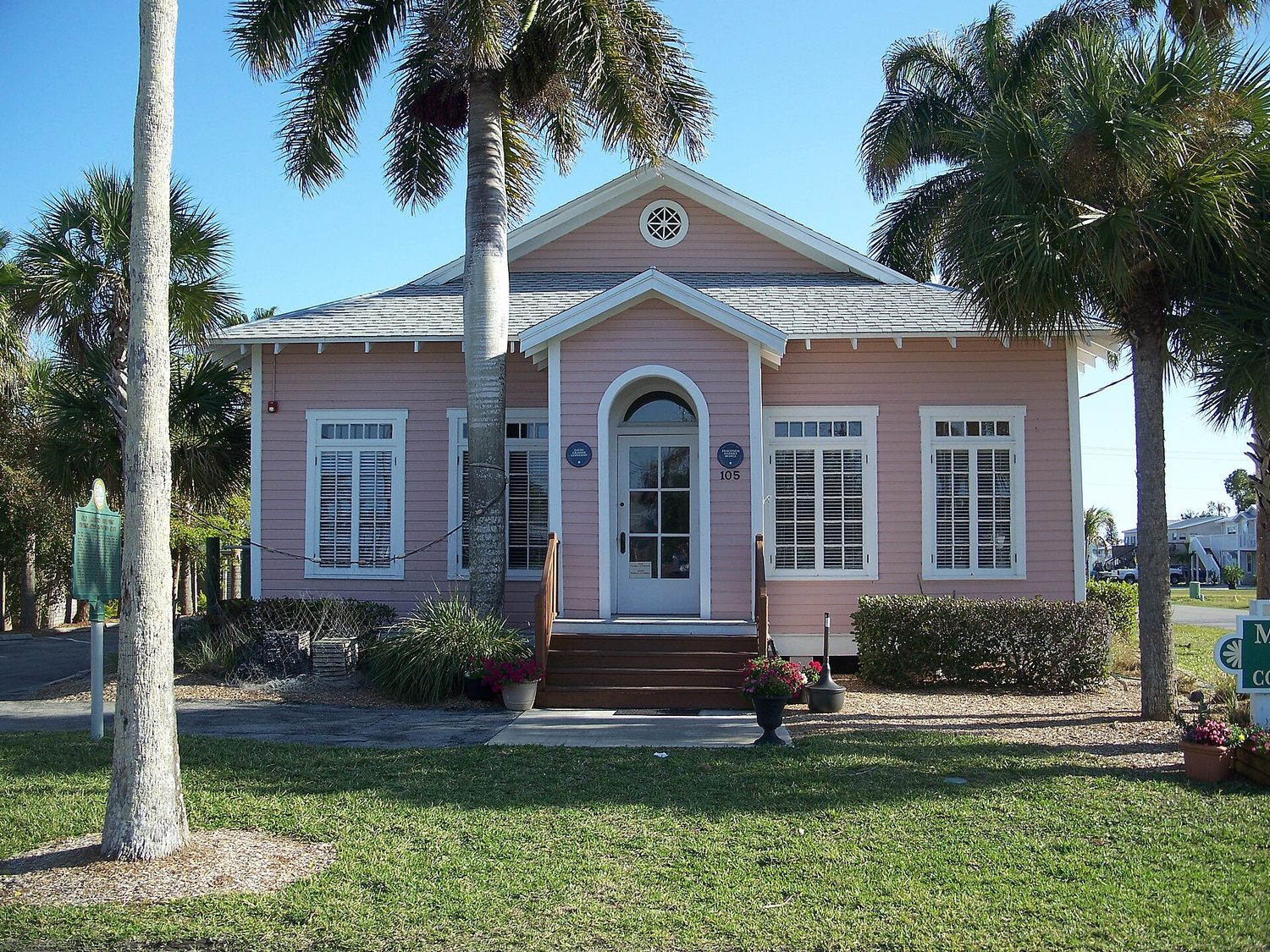
Everglades City's Failed Dream: The Road That Never Came
Barron Collier began buying land here in 1922, and the community incorporated as the Town of Everglades in 1923. He had a plan: build a road that would make this town the gateway to the Florida peninsula's southwest coast. He funded State Road 29 from Everglades City to Immokalee, completed in 1929—ahead of the Tamiami Trail's own completion. The town was named for the Everglades it sits at the edge of, and its successive charters renamed it twice before the present form stuck in 1965.
But the Tamiami Trail bypassed the town. The road that was supposed to make Everglades City a hub instead went elsewhere, and the traffic that Collier anticipated never arrived. The town kept its name, kept its position at the edge of the swamp, and kept working.
How Everglades City Lost Its County Seat
Everglades City served as Collier County's seat from the county's creation in 1923 until two years after Hurricane Donna struck in 1960, when the legislature moved it to East Naples. The county seat was gone. The courthouse closed. The lawyers and clerks and officials followed the jobs east.
The population never recovered. The 2020 census counted 352 people, and the more recent American Community Survey puts the number at 208. The town that was built to govern a county now governs little more than itself.
The Railroad's Southernmost Stop: A Brief Boom
In 1928, the Atlantic Coast Line reached town—the southernmost point that railroad ever got. For a few years, Everglades City was the end of the line, literally. Freight and passengers arrived at the edge of the swamp, and the town grew around that promise.
The railroad is gone now. The tracks are gone. What remains is the memory of a town that was once connected to the rest of Florida in a way it no longer is. The isolation that followed is part of the town's character now, not a problem to be solved.
Stone Crab Fishing Still Defines the Town
The commercial fishing fleet is the heart of Everglades City. Stone crab is what this coast is named for, and the boats that work the waters here are the real economy. The town is not a museum piece or a tourist attraction dressed up as a fishing village—it is a place where people actually make a living on the water.
The median household income is $75,163, and the unemployment rate is 0 percent. That is not a statistic that suggests a struggling relic. That is a community where everyone who wants to work is working, and the work is mostly on the water or in the businesses that support those who work on the water.
What the Census Reveals About This Quiet Town
The census data tells a story of a town that is both empty and self-sufficient. There are 343 housing units total, and 203 of them are held for seasonal or recreational use. That means more than half the homes in town are empty most of the year. The vacant housing units number 234—again, more than half the housing stock sits unused.
The median age is 59.1 years. The median home value is $371,400, and the median gross rent is $1,987. A third of the residents—32.8 percent—hold a bachelor's degree or higher. This is not a poor town, and it is not a young town. It is a place where people come to live quietly, work on the water, and be close to the Everglades.
| Time | People |
|---|---|
| Most of the year | 208 residents |
| February (Seafood Festival) | 40,000 to 50,000 visitors |
The One Week a Year the Town Swells
The Everglades Seafood Festival runs three days in February and brings 40,000 to 50,000 people to a town of 352. That is not a typo. The town's population multiplies by a factor of a hundred or more for one weekend. Live country music, carnival rides, arts and crafts, and the stone crab this coast is named for fill the streets.
The proceeds go to schools, local charities, hurricane relief, and the commercial fishing fleet. The festival is not just a party—it is a lifeline. It is the one week a year the rest of the world remembers Everglades City exists, and the town uses that attention to fund the things that keep it alive.
Why Is It Called Everglades City If It's So Small?
The name is a leftover from ambition. The town was incorporated in 1923 as the Town of Everglades, became the City of Everglades in 1953, and the City of Everglades City in 1965. The "City" part was never a description of size—it was a claim of importance. A town built to be a county seat and a transportation hub kept its grand name even after both roles were stripped away.
What Happened to the County Seat?
The legislature moved it to East Naples two years after Hurricane Donna struck in 1960. The storm damaged the town, and the political will to keep the seat in a small, isolated community faded. The county government left, and the town settled into the quieter role it holds today.
Is Everglades City Worth Visiting?
Yes, if you want to see a real working town at the edge of the Everglades, not a curated version of one. The commercial fishing fleet is active, the streets are quiet, and the Marjory Stoneman Douglas Visitor Center is the gateway to the national park. Come for the park, stay for the town, and if you can time it right, come in February for the festival.
What Is the Seafood Festival Like?
It is three days in February when the town swells to a hundred times its size. Live country music, carnival rides, arts and crafts, and stone crab. It is loud, crowded, and exactly the kind of event a working town throws when it wants to show the rest of the world what it does for a living.
How Many People Actually Live There Year-Round?
The 2020 census counted 352. The more recent American Community Survey puts the year-round population at 208. Either way, it is a small town, and most of the houses in it are empty for most of the year. The people who do live here are older, working, and not interested in being a tourist attraction.
Common questions
- What is Everglades City known for?
- It's known as the town Barron Collier built in the 1920s to support road construction, and as the former Collier County seat. Today it's a working stone-crab town and the gateway to Everglades National Park, with the Marjory Stoneman Douglas Visitor Center.
- Why did Everglades City lose the county seat?
- Everglades City was Collier County's seat from 1923 until two years after Hurricane Donna struck in 1960. The legislature then moved the seat to East Naples, and the town's population dropped to 352 by 2020.
- How do you get to Everglades City?
- You drive State Road 29, the road Collier funded from Everglades City to Immokalee, completed in 1929. It was finished ahead of the Tamiami Trail, and the Atlantic Coast Line reached town in 1928, the southernmost point that railroad ever got.
- What is there to do in Everglades City?
- Visit the Marjory Stoneman Douglas Visitor Center for Everglades National Park. In February, the Everglades Seafood Festival brings 40,000 to 50,000 people for three days of live country music, carnival rides, arts and crafts, and stone crab.
- Is Everglades City a good place to live?
- It's a small, tight-knit working town. The 2020 population was 352, with a median age of 59.1. Unemployment is 0 percent, median household income is $75,163, and median home value is $371,400. Many homes are seasonal—203 of 343 units are for recreational use.
- What happened to the railroad in Everglades City?
- The Atlantic Coast Line reached town in 1928, making it the southernmost point that railroad ever got. It was built to serve Collier's road project. The line is no longer in passenger service, but the town's history is tied to that rail era.
Every business named above is one we hold a listing for, and every date traces to a source on our sources page. We do not describe menus, interiors or service we have not verified. Details change — confirm before you travel.