Guides · Everglades City, Florida
Everglades City, Florida: A Working Water Town
Everglades City was built to build a road. It remains a working water town of 208 people, shaped by the sea and the highway that made it.
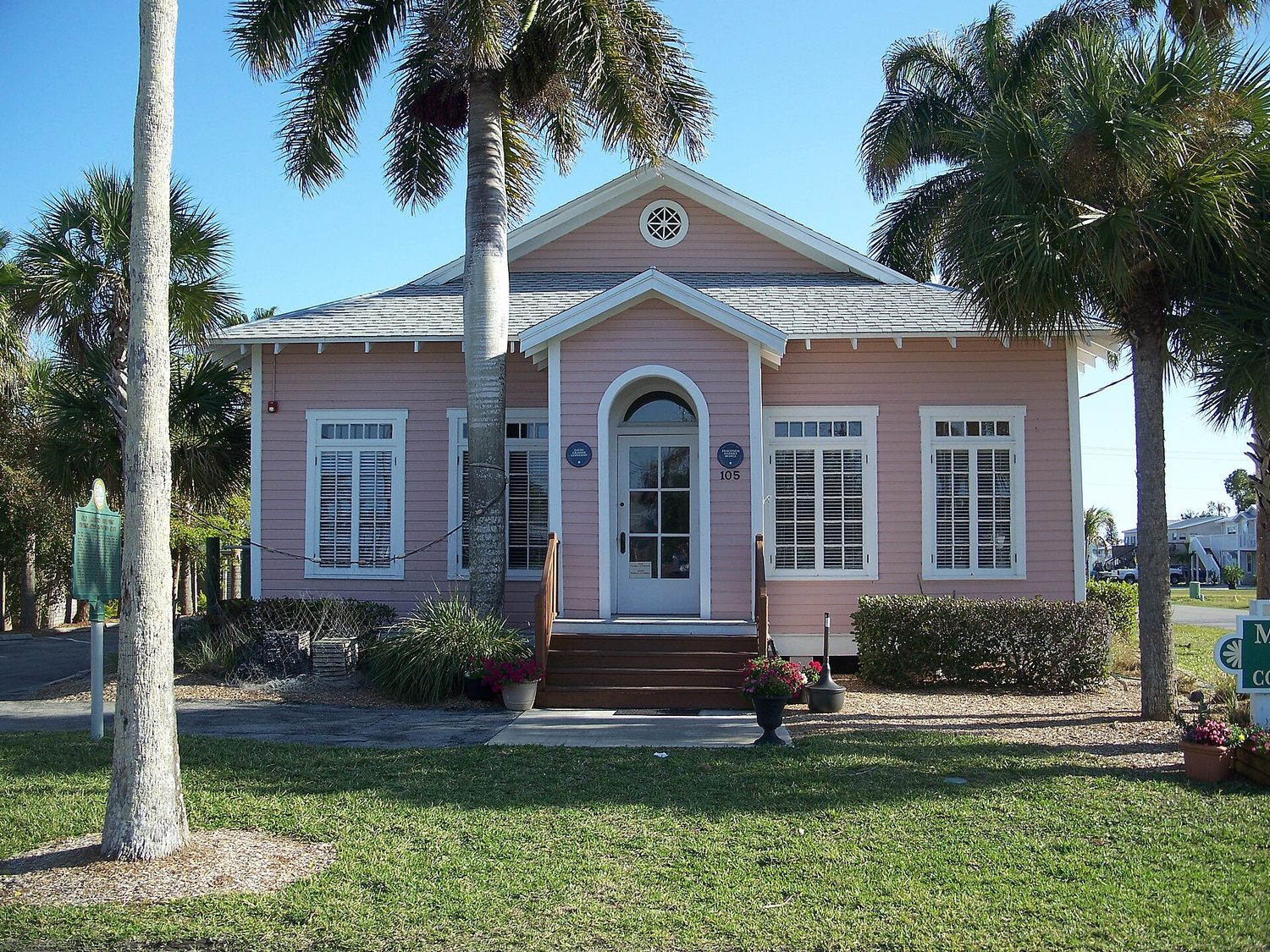
Why Everglades City Was Built
Barron Collier began buying land here in 1922. The community incorporated as the Town of Everglades in 1923. The name changed twice more—to the City of Everglades in 1953, then the City of Everglades City in 1965—but the purpose never did. Collier built the town to build a road. He funded State Road 29 from Everglades City to Immokalee, finished in 1929, a year ahead of the Tamiami Trail. The Atlantic Coast Line reached town in 1928, the southernmost point that railroad ever got. For a moment, this was a transportation hub at the edge of the swamp. Rail and road met the water.
The road is still here. State Road 29 remains the spine of the town, the straight shot north out of the mangroves. The railroad is gone. But the town's reason for being—access to the water and the country beyond it—has not changed.
How Everglades City Lost Its County Seat
Everglades City was Collier County's seat from the county's creation in 1923. It held that role for nearly four decades. Then Hurricane Donna struck in 1960. Two years later, the legislature moved the county seat to East Naples. The town did not disappear. It just stopped being the center of anything official.
The demographic shift that followed is visible in the numbers. The 2020 population was 352; the most recent census estimate puts it at 208. The median age is 59.1 years. This is not a town that grew after losing its county seat. It is a town that settled into a different kind of life—smaller, quieter, and oriented toward the water rather than the courthouse.
Everglades City by the Numbers
The census figures tell a specific story. Total housing units: 343. Of those, 203 are held for seasonal or recreational use—more than half. Vacant units: 234. The town is built for people who are not always here.
The people who do live here are, by the numbers, doing fine. Zero unemployment. Median household income of $75,163. Median home value of $371,400. Median gross rent of $1,987. 32.8 percent of residents hold a bachelor's degree or higher. These are not the statistics of a struggling outpost. They are the statistics of a place where people choose to live, often after they have finished working somewhere else.
Fishing and Life in Everglades City
The commercial fishing fleet is the economic and cultural backbone of Everglades City. Stone crab is what this coast is named for. The town's identity is tied to pulling those traps, not to selling trinkets. This is a working town. The people who live here year-round are mostly connected to the water—fishing, shrimping, or supporting those who do.
The town's small size is not a curiosity to be gawked at. It is a deliberate fact of life. The water is rough, the work is hard, and the people who stay are the ones who want this specific life. Tourism happens here. It is not the point. The point is the catch.
Everglades City and the National Park Visitor Center
The Marjory Stoneman Douglas Visitor Center is the gateway between Everglades City and Everglades National Park. Named for the writer and activist whose work helped establish the park, the center is where visitors stop before heading into the swamp. For the town, it is the most direct connection to the park's presence—and to the visitors who pass through on their way to the water.
That relationship is not frictionless. The park brings people, and people bring money. But the town remains what it is: a place that works. The visitor center is a door, not a destination. The destination is the Everglades itself.
The Everglades Seafood Festival
For three days in February, the Everglades Seafood Festival brings 40,000 to 50,000 people to a town of 352. Live country music, carnival rides, arts and crafts, and the stone crab that defines this coast. The scale is almost absurd: a town of a few hundred hosting a crowd a hundred times its size.
The proceeds go back to the town—schools, local charities, hurricane relief, and the commercial fishing fleet. The festival is not a tourist trap. It is a working town's way of celebrating what it does, and inviting the outside world to watch for a weekend.
The rest of the year, the town shrinks back to its permanent size. The seasonal homes empty out. The roads quiet. The fishing boats still go out.
How Everglades City Compares to Other Small-Town Festival Hosts
| Town | Distance from Everglades City |
|---|---|
| Everglades City | 0 miles |
| Arcadia | 100 miles |
| Okeechobee | 103 miles |
| Stuart | 121 miles |
| Sebastian | 147 miles |
| Dade City | 181 miles |
| Clermont | 185 miles |
Everglades City is not the only small Florida town that throws a big festival. But it is the only one where the festival celebrates the town's actual work—stone crab pulled from local waters by local boats. The others have rodeos and kumquats. This one has the sea.
Common questions
- Why is Everglades City so small?
- It was built as a company town for a road project and lost its county seat after Hurricane Donna in 1960. The 2020 population was 352 people, and many homes sit vacant or seasonal. It remains a working stone-crab town, not a resort.
- What is there to do in Everglades City?
- The main draw is the Marjory Stoneman Douglas Visitor Center for Everglades National Park. In February, the Everglades Seafood Festival brings 40,000 to 50,000 people for three days of country music, carnival rides, and stone crab. Fishing and boating are the daily work.
- How do I get to Everglades City?
- Drive State Road 29, the road Barron Collier built in 1929 from Everglades City to Immokalee. It was finished ahead of the Tamiami Trail and remains the main route in. There is no commercial airport or train service here.
- Is Everglades City a good place to live?
- For year-round residents, it is quiet and tight-knit. The median age is 59.1, unemployment is 0 percent, and median household income is $75,163. But 234 of 343 housing units are vacant, and 203 are seasonal, so it empties out off-season.
- What happened to the county seat?
- Everglades City was Collier County's seat from 1923 until two years after Hurricane Donna hit in 1960. Then the legislature moved the seat to East Naples. The town kept its name but lost its status, and the population dropped to 352 by 2020.
- Can I visit Everglades National Park from here?
- Yes. The Marjory Stoneman Douglas Visitor Center is in Everglades City, serving as the park's western gateway. From there you can access the Ten Thousand Islands and backcountry waters. Check park hours before you go, as they vary by season.
Every business named above is one we hold a listing for, and every date traces to a source on our sources page. We do not describe menus, interiors or service we have not verified. Details change — confirm before you travel.