Guides · Everglades City, Florida
How Everglades City Got Its Name
The name took three tries to stick. The town was never sure what to call itself, and the charters show it.
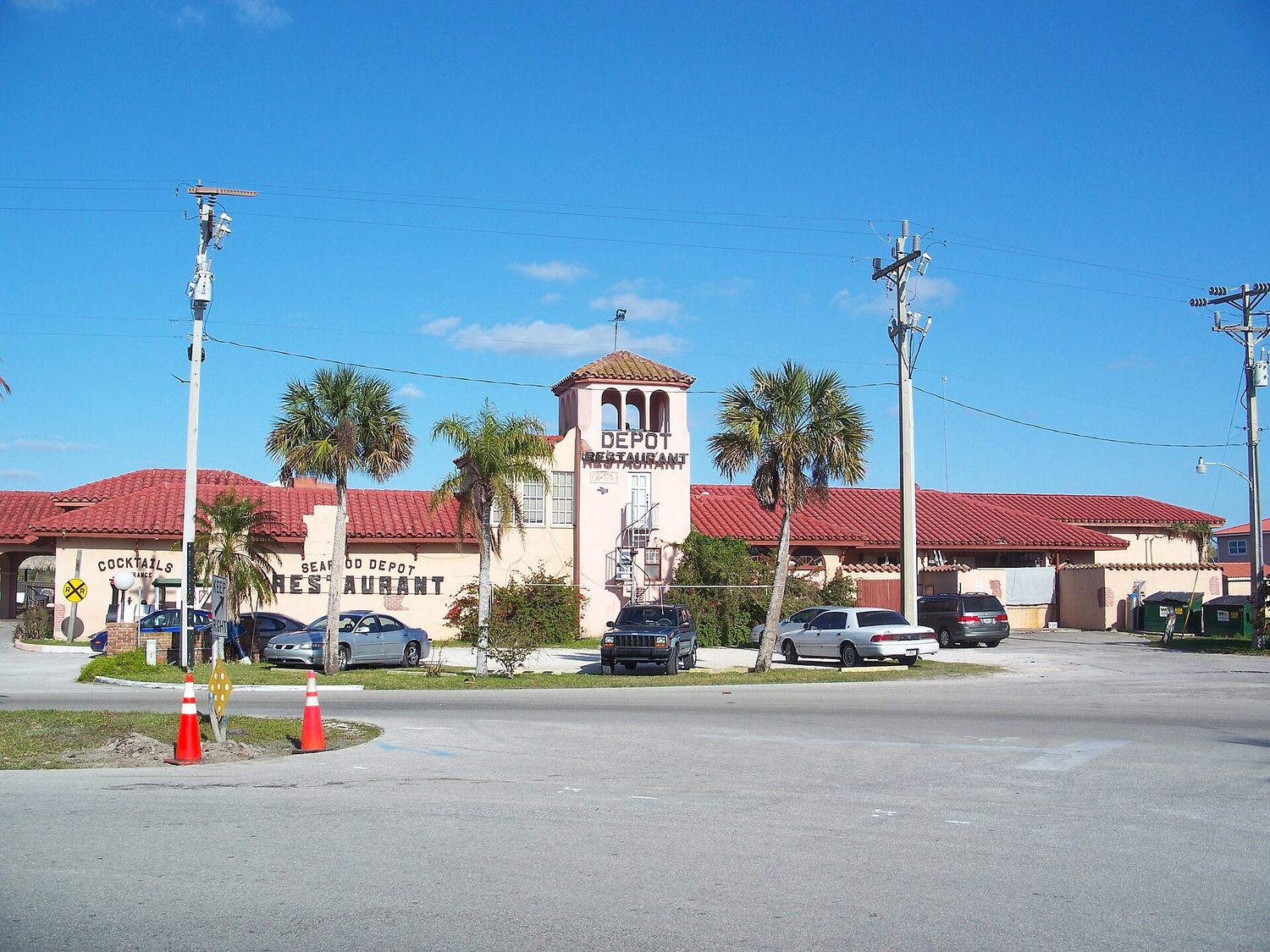
Barron Collier began buying land here in 1922. The community incorporated as the Town of Everglades in 1923. It became the City of Everglades in 1953, then the City of Everglades City in 1965. Each rename was an attempt to be precise about where it sat: at the edge of the Everglades, not in them, not above them. The present form finally held.
Collier did not build the town to live in it. He built it to build a road. He funded State Road 29 from Everglades City to Immokalee, finished in 1929, ahead of the Tamiami Trail itself. In 1928, the Atlantic Coast Line reached town—the southernmost point that railroad ever got. The road and the rail were the point. The town was the staging ground.
That staging ground became a county seat almost by accident. Everglades City was Collier County's seat from the county's creation in 1923 until two years after Hurricane Donna struck in 1960, when the legislature moved it to East Naples. The county kept the name. The town lost the job.
What remains is small and specific. The 2020 population was 352. The census counts 343 housing units, and 234 of them are vacant. Of the occupied ones, 203 are held for seasonal or recreational use. The median age is 59.1 years. The unemployment rate is 0 percent. The median household income is $75,163. The median home value is $371,400. The median gross rent is $1,987. A third of residents hold a bachelor's degree or higher.
These are not the numbers of a place that is dying. They are the numbers of a place that has stopped pretending to be anything other than what it is. A working stone-crab town. A launch point for the park. A place where the road ends and the water begins.
The road Collier built still matters. State Road 29, completed in 1929, runs north out of town toward Immokalee. It is the spine of the place, the reason the town exists at all. Without it, Everglades City would be a fishing camp with a complicated name. With it, the town is a gateway.
Once a year, the town fills up. The Everglades Seafood Festival runs three days in February and brings 40,000 to 50,000 people to a town of 352. Live country music, carnival rides, arts and crafts, and the stone crab this coast is named for. Proceeds go to schools, local charities, hurricane relief and the commercial fishing fleet. It is not a tourist trap. It is a working town showing its work.
The name, finally, is honest. Everglades City. It tells you where you are and what is around you. The Everglades are not a backdrop. They are the reason the road was built, the reason the railroad came, the reason the town exists. The name took three tries to get right, but it got there.
Every business named above is one we hold a listing for, and every date traces to a source on our sources page. We do not describe menus, interiors or service we have not verified. Details change — confirm before you travel.