Guides · Everglades City, Florida
Why Everglades City Is Where It Is
The town sits where the swamp meets the Gulf because one man needed a place to start a road.
The Road Comes First
Barron Collier began buying land here in 1922. He was not a settler looking for a homestead. He was a developer who needed a southern terminus. The community incorporated as the Town of Everglades in 1923, the same year Collier County was carved out of Lee County. The town was named for the Everglades it sits at the edge of, and its successive charters renamed it twice before the present form stuck in 1965.
Collier funded State Road 29 from Everglades City to Immokalee. It was finished in 1929, ahead of the Tamiami Trail itself. The road was the point. The town was the staging ground.
In 1928, the Atlantic Coast Line reached town. That made Everglades City the southernmost point the railroad ever got. You can still feel the logic of that: bring the rail as far south as possible, then push the road across the swamp. The railroad and the highway met here because the water made it the only practical place to land.
A Seat That Lost Its County
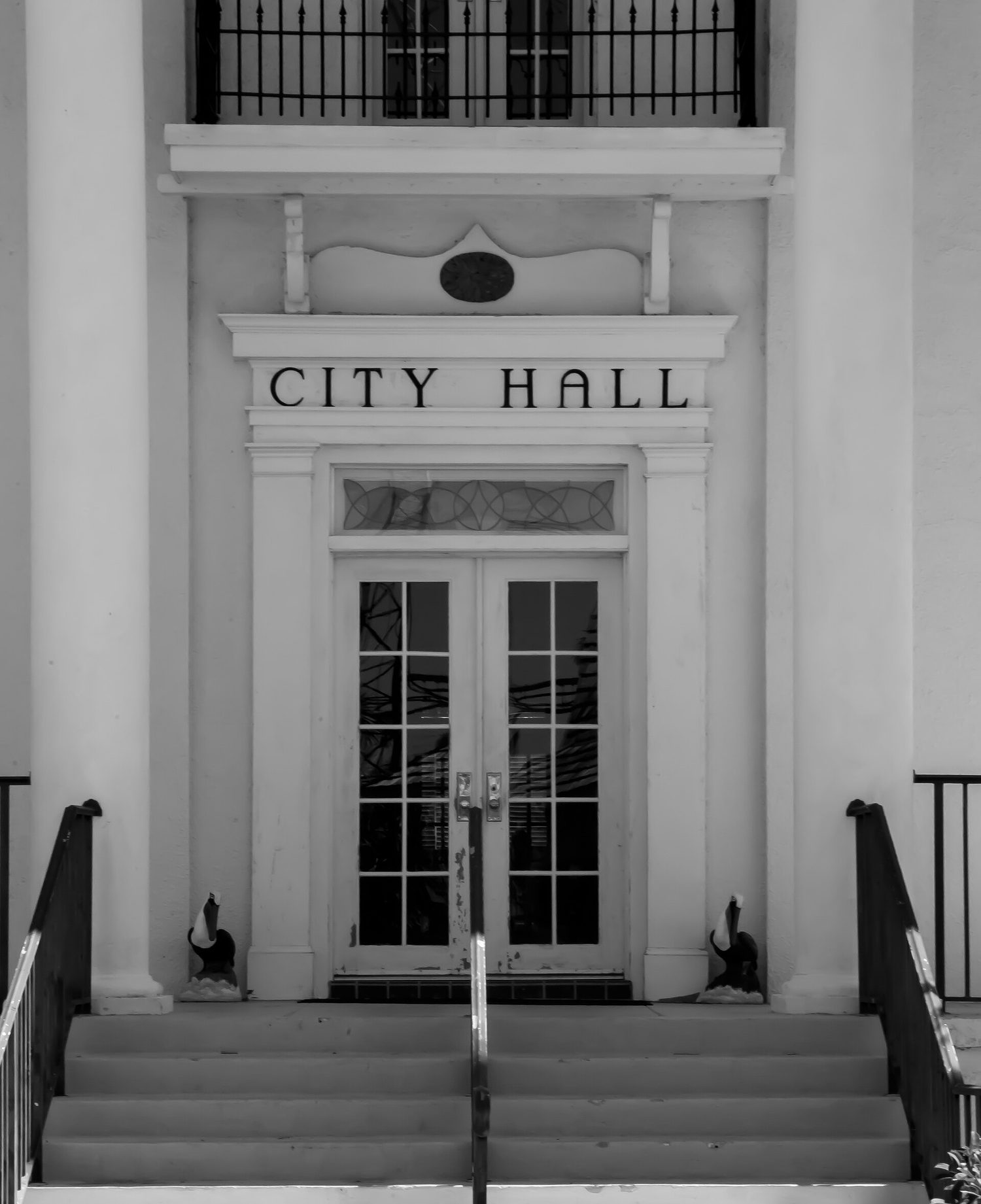
Everglades City was Collier County's seat from the county's creation in 1923. It held that role for nearly four decades. Then Hurricane Donna struck in 1960. Two years later, the legislature moved the county seat to East Naples.
The town never got it back. The 2020 population was 352.
That number is not a decline so much as a settling. The county seat left, the railroad left, the highway bypassed the old route. What remained was a working stone-crab town. The people who stayed did not stay for the government offices.
What the Census Says Now
The census figures tell a specific story. The population is 208 people, with a median age of 59.1 years. Total housing units number 343. Of those, 203 are held for seasonal or recreational use. Vacant housing units stand at 234.
So more than half the houses in town are not year-round homes. The town swells and shrinks with the seasons. The median home value is 371,400 dollars. Median gross rent is 1,987 dollars. Median household income is 75,163 dollars. The unemployment rate is 0 percent.
That last figure is worth pausing on. In a town of 208, zero unemployment does not mean prosperity. It means the people who live here have work, and the people who do not have work do not live here. There is no room for a jobless population in a place this small.
The educational attainment is notable: 32.8 percent of residents hold a bachelor's degree or higher. That is not what you expect in a remote fishing town. But it makes sense when you consider who can afford to live here now. The seasonal homes drive up property values. The working population that remains is older, settled, and often educated.
The Seafood Festival
Once a year, the town becomes something else. The Everglades Seafood Festival runs three days in February and brings 40,000 to 50,000 people to a town of 352. Live country music, carnival rides, arts and crafts, and the stone crab this coast is named for.
The proceeds go to schools, local charities, hurricane relief, and the commercial fishing fleet. That last beneficiary is the key. The festival is not a tourist trap. It is a fundraiser for the people who still make their living on the water. The crowds are the price of keeping the fleet afloat.
Forty thousand people in a town of 352 is a ratio most places cannot imagine. The town does not change to accommodate them. It hosts them, takes their money, and goes back to work when they leave.
The Park at the Edge
The Marjory Stoneman Douglas Visitor Center for Everglades National Park sits here. It is the gateway to the park, named for the woman who wrote the book that saved the swamp. The town is the last place with pavement before the wilderness begins.
Why It Stays
Everglades City is where it is because of a road that no longer matters the way it once did. The road is still there. State Road 29 still runs north to Immokalee. But the railroad is gone, the county seat is gone, and the town has settled into its own scale.
It is not a museum. It is not a resort. It is a place that was built for a purpose, served that purpose, and then had to figure out what came next. What came next was stone crab, seasonal residents, and a festival that brings the outside world in for three days each February.
The town is named for the Everglades. It sits at the edge of the swamp, at the end of the road, at the bottom of the state. It got there because one man needed a starting point. It stayed because the water and the crabs and the people who work them have not gone anywhere.
The county seat is gone. The population is 352. The town remains.
Every business named above is one we hold a listing for, and every date traces to a source on our sources page. We do not describe menus, interiors or service we have not verified. Details change — confirm before you travel.