Guides · Everglades City, Florida
Everglades City FL: A Working Town at an Easier Pace
Everglades City is a working stone-crab town of 352 people, and the visitor's job is to match its pace rather than treat it as a theme park.
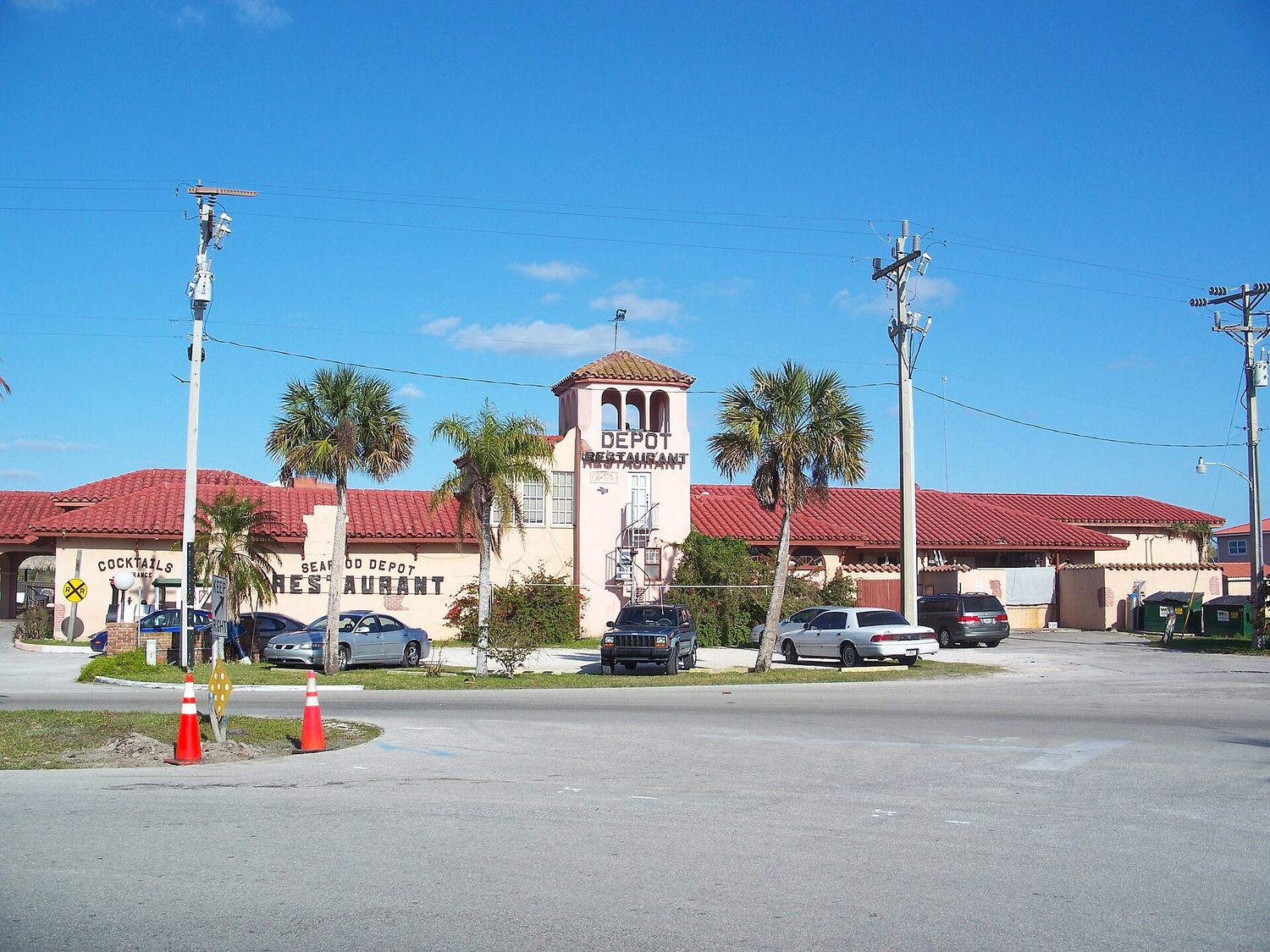
Everglades City's History: From County Seat to Quiet Town
Barron Collier began buying land here in 1922, and the community incorporated as the Town of Everglades in 1923. It became the City of Everglades in 1953 and the City of Everglades City in 1965—two renamings before the present form stuck. Collier wasn't building a resort; he was building a road. He funded State Road 29 from Everglades City to Immokalee, finished in 1929 ahead of the Tamiami Trail itself, and in 1928 the Atlantic Coast Line reached town—the southernmost point that railroad ever got.
The town was Collier County's seat from the county's creation in 1923 until two years after Hurricane Donna struck in 1960, when the legislature moved it to East Naples. That is the fact that shapes everything here. Everglades City lost its administrative reason to exist, and its population dropped accordingly. What remains is not a preserved relic but a town that kept working—catching crabs, running boats, and serving people who come for the park and the water.
Everglades City's Working Waterfront and Seafood Festival
The commercial fishing fleet is the town's pulse. Stone crab is the trade this coast is named for, and the boats work the same waters they always have. The Everglades Seafood Festival runs three days in February and brings 40,000 to 50,000 people to a town of 352. Live country music, carnival rides, arts and crafts, and the stone crab itself. Proceeds go to schools, local charities, hurricane relief, and the commercial fishing fleet—so the festival isn't just a crowd; it's how the town funds itself.
The rest of the year, the waterfront is quieter. You'll see boats coming in with traps, and the rhythm is real.
Where to Eat: Stone Crab, Pizza, and a Bar
You're not here for a food scene; you're here for a working town's kitchens. The named restaurants are practical choices, and you should not expect menus or history I haven't seen.
- Camellia Street Grill (4.3, 2,078 reviews) at 202 Camellia St W—the busiest spot in town, which tells you something about its consistency.
- Island Cafe (4.4, 1,954 reviews) at 305 Collier Ave—a close second in reviews, and a solid stop for a meal after the park.
- Everglades Rod & Gun Club (4.2, 689 reviews) at 200 W Broadway—a name with weight, though I can't tell you what's inside.
- Wildman's pizza, pasta and pythons (4.7, 377 reviews) at 104 Buckner Ave S—the highest-rated in town, with a name that suggests more than pizza.
- The Diving Pelican Restaurant & Bar (4.1, 303 reviews) at 901 Copeland Ave—further down Copeland, a quieter option.
There's also island life creations at 201 Collier Ave and a Subway (3.9, 127 reviews) at 31990 Tamiami Trl E if you want something predictable. For stone crab, ask where the boats are docking—that's the honest guide.
History You Can Walk To
The town is small enough that history is a short walk. The Museum of the Everglades (4.7, 368 reviews) at 105 Broadway Ave W covers the region's story. The Old Collier County Courthouse (5.0, 2 reviews) at 102 Copeland Ave N is a reminder of what the town lost—it was the seat, and the building still stands. The Everglades Community Church Historical Marker (4.5, 2 reviews) at South Copeland Avenue and Broadway Ave E marks the church's place in town life. You can see all three in an hour.
The Park at Your Doorstep
The Marjory Stoneman Douglas Visitor Center is the gateway to Everglades National Park, and Everglades City sits right at its edge. This is a base for airboat tours and park trips—you're not driving an hour to get in; you're already there. The town's location is its reason to exist, and the park is why many visitors come. But the park is not the town, and the town is not the park. They're adjacent, not the same.
Everglades City's Seasonal Population: What the Census Shows
The numbers explain the quiet. The 2020 population was 208 people (the 352 figure you'll sometimes see is the town's broader claim, but the census count is 208). Of 343 total housing units, 234 are vacant, and 203 are held for seasonal or recreational use. That means most of the town's roofs are empty most of the year. The median age is 59.1 years. The unemployment rate is 0 percent. Median household income is $75,163. Median home value is $371,400. Median gross rent is $1,987.
What that means for you: in the off-season, the town is genuinely quiet. Places may close early or on certain days. In February, it's the opposite. Plan accordingly.
Everglades City by the Numbers
| Measure | Figure |
|---|---|
| Population | 208 people |
| Total housing units | 343 units |
| Vacant housing units | 234 units |
| Homes held for seasonal or recreational use | 203 units |
| Median age | 59.1 years |
| Median household income | $75,163 |
| Median home value | $371,400 |
| Median gross rent | $1,987 |
| Bachelor's degree or higher | 32.8 percent |
| Unemployment rate | 0 percent |
Everglades City is not a secret and not a relic. It's a town that lost its county seat, kept its waterfront, and learned to live with the seasons. Come for the park, eat what's caught, and leave the car parked. That's the pace.
Common questions
- What is there to do in Everglades City?
- Most visitors come for stone crab and airboat tours into the Everglades. You can eat at Camellia Street Grill or Island Cafe, see the Museum of the Everglades, and check the Old Collier County Courthouse. The Marjory Stoneman Douglas Visitor Center is the park gateway.
- Is Everglades City worth visiting?
- Yes, if you want a working fishing town, not a resort. It's small—352 people—but it has good seafood restaurants and direct access to Everglades National Park. The Everglades Seafood Festival in February draws 40,000 to 50,000 people, so plan around that if you prefer quiet.
- How did Everglades City get its name?
- It's named for the Everglades it sits at the edge of. The town incorporated in 1923 as the Town of Everglades, became the City of Everglades in 1953, and finally the City of Everglades City in 1965.
- Why is it called Everglades City if it's so small?
- It was once the county seat of Collier County, from 1923 until the legislature moved it to East Naples two years after Hurricane Donna in 1960. The name stuck even after the county government left. Today it's a quiet town of 352 people.
- What's the best place to eat stone crab in Everglades City?
- Camellia Street Grill and Island Cafe are the most popular, with ratings of 4.3 and 4.4. Wildman's pizza, pasta and pythons has a higher rating at 4.7 but is more of a quirky spot. The Diving Pelican is another option. All are in town.
- Can you visit Everglades National Park from Everglades City?
- Yes, the Marjory Stoneman Douglas Visitor Center for Everglades National Park is here. It's the Gulf Coast entrance, offering boat tours into the Ten Thousand Islands. The town was built by Barron Collier to support road building, and State Road 29 still connects north.
Every business named above is one we hold a listing for, and every date traces to a source on our sources page. We do not describe menus, interiors or service we have not verified. Details change — confirm before you travel.