Guides · Everglades City, Florida
Everglades City Weather: Season-by-Season Guide
Everglades City’s weather is the town’s real government. It sets the calendar, moves the fish, and decides who stays and who visits.
Everglades City Rainy Season: What to Expect
From roughly May through October, the wet season settles over the coast. Afternoon thunderstorms arrive with near-clockwork regularity, and humidity sits heavy even in the shade. Streets flood when the rain outpaces the drains, and the fishing fleet works around squalls rather than through them. This is not weather you watch from a porch. It is weather you navigate.
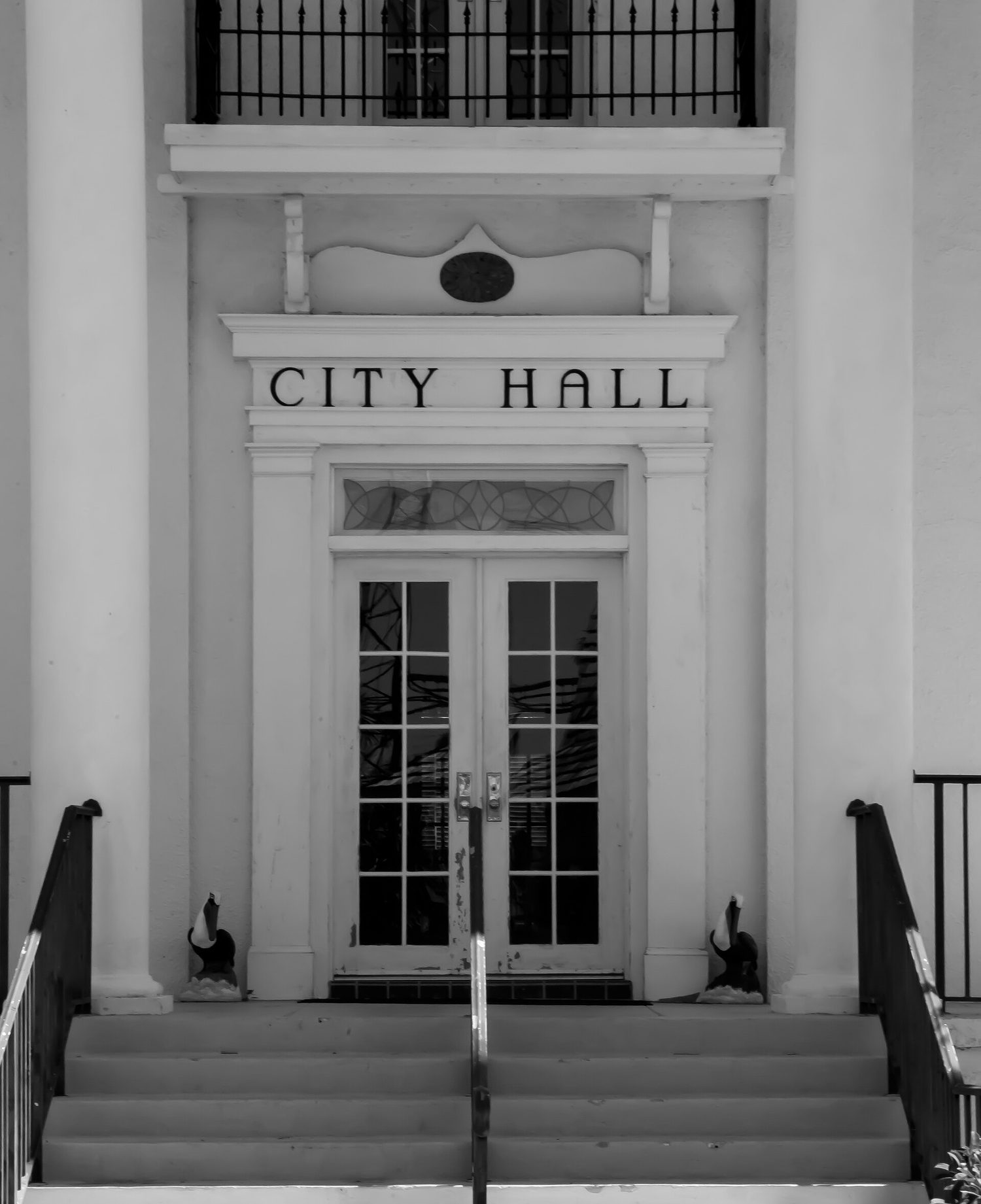
Hurricanes have shaped the town’s civic history more than any election. In 1960, Hurricane Donna struck, and two years later the state legislature moved the county seat from Everglades City to East Naples. The town had been Collier County’s seat since the county’s creation in 1923. The storm didn’t just damage buildings; it rearranged political geography. Residents rebuilt, but the town’s status never returned.
Dry Season in Everglades City: Weather and the Seafood Festival
November through April brings the season that matters for visitors. Humidity drops, skies clear, and temperatures are mild enough to work outside or wait for a charter boat without soaking through a shirt. This is when the town swells.
The Everglades Seafood Festival, held over three days in February, draws 40,000 to 50,000 people to a town of 352. Live country music, carnival rides, and arts and crafts fill the streets, and the stone crab is the draw. Proceeds go to schools, local charities, hurricane relief, and the commercial fishing fleet. For one weekend, the dry season’s quiet rhythm is replaced by a crowd that outnumbers the year-round population a hundredfold.
Hurricane Season in Everglades City: Risks and Preparedness
June through November is the official hurricane window, and it overlaps almost entirely with the wet season. Everglades City sits low, close to the water, with State Road 29 as the primary road out. That road was built by Barron Collier and completed in 1929, ahead of the Tamiami Trail. It was meant to connect this town to Immokalee. Today it is also the evacuation route.
The town has rebuilt before. After the 1960 storm, it lost its county seat but kept its footing. No one here treats hurricane warnings as abstract. The culture is practical: know the route, have supplies, and expect to wait out the storm. The same water that brings the stone crab can bring a surge.
Stone Crab Season and Fishing in Everglades City
The town’s true calendar is the stone crab season, running October through May. It aligns neatly with the dry season, when weather is workable and demand is highest. The fishing fleet sets traps in the Gulf and brings back the claws that define this coast. The economy does not run on tourist dollars alone. It runs on the catch.
The dry season brings visitors, but the fleet works through the wet season too, withstanding the storms and the heat. The seafood festival in February is a celebration of that work, not a substitute for it. When the season closes in May, the town returns to its quieter self, and the cycle starts again.
Everglades City Population and Housing by the Numbers
The census data tells the story of a town that breathes in and out with the seasons. The population is 208 people, with a median age of 59.1 years. The median household income is $75,163, and the unemployment rate is 0 percent—everyone who lives here year-round is working.
Of the 343 total housing units, 203 are held for seasonal or recreational use, and 234 are vacant. That means most of the buildings in town are empty for much of the year, waiting for the dry season. The median home value is $371,400, and the median gross rent is $1,987. This is not a ghost town. It is a working town with a winter swell and a summer quiet.
| Season | Weather & What It Means |
|---|---|
| Wet (May–Oct) | Daily thunderstorms, high humidity, flooding risk; fishing fleet works around squalls, visitors thin out. |
| Dry (Nov–Apr) | Milder, clear, and busy; seasonal residents arrive, the seafood festival packs the town in February. |
| Hurricane (Jun–Nov) | Overlaps the wet season; low-lying flood risk, evacuation via State Road 29, community ready to rebuild. |
Planning Your Visit: When to Come and What to Bring
For good weather and events, come in the dry season, particularly February for the Everglades Seafood Festival. You will get mild days and a town full of people. For a quieter visit, late November or early April offers the same weather without the festival crowd.
If you come in the wet season, pack rain gear and expect afternoon storms. Year-round, bring insect repellent and sun protection.
The town’s weather is not a backdrop. It decides when the fish run, when the crowds come, and when the roads flood. Everglades City lives on its terms, and visitors are better off respecting that than fighting it.
Common questions
- What is the best time of year to visit Everglades City?
- Winter, roughly December through March, is the dry season with mild temperatures and fewer mosquitoes. That is also when the Everglades Seafood Festival happens in February. Summer brings heat, humidity, and rain, plus more insects.
- How many people live in Everglades City?
- The 2020 population was 352, though the most recent census figure shows 208 people. It is a small working stone-crab town, not a tourist attraction. Many homes are seasonal, with 203 of 343 housing units held for recreational use.
- What is there to do in Everglades City besides fishing?
- The Marjory Stoneman Douglas Visitor Center for Everglades National Park is here, and State Road 29, built by Barron Collier in 1929, leads north to Immokalee. The town itself is quiet; most visitors come for the park and the seafood.
- Is Everglades City a good place to retire?
- The median age is 59.1 years, and the unemployment rate is 0 percent. Median home value is $371,400, and median gross rent is $1,987. It is a small, quiet community, but seasonal population swells during winter months.
- Why is Everglades City not the county seat anymore?
- It was Collier County's seat from 1923 until two years after Hurricane Donna in 1960, when the legislature moved it to East Naples. The town lost its county but kept its name and its fishing heritage.
- What is the Everglades Seafood Festival like?
- It is a three-day event in February that draws 40,000 to 50,000 people to a town of 352. There is live country music, carnival rides, arts and crafts, and stone crab. Proceeds support schools, charities, hurricane relief, and the fishing fleet.
Every business named above is one we hold a listing for, and every date traces to a source on our sources page. We do not describe menus, interiors or service we have not verified. Details change — confirm before you travel.