Guides · Everglades City, Florida
Everglades City in Hurricane Season: What to Expect
Everglades City works on the storm calendar, not despite it.
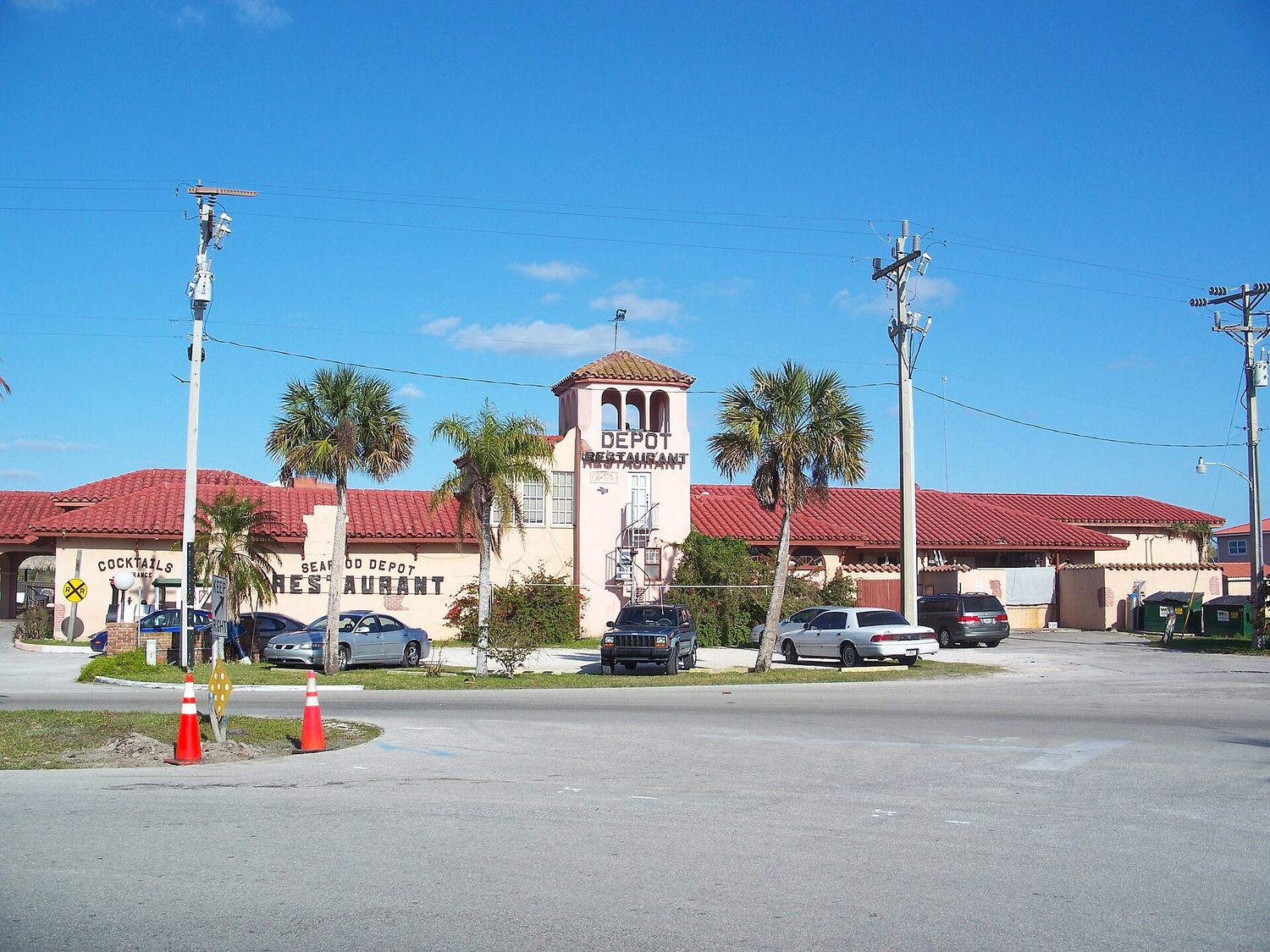
The Town That Was Built to Be a Road
Barron Collier started buying land here in 1922, and the community incorporated as the Town of Everglades in 1923. He built the place to build a road. He funded State Road 29 from Everglades City to Immokalee, finished in 1929, ahead of the Tamiami Trail itself. In 1928, the Atlantic Coast Line reached town—the southernmost point that railroad ever got. The town is named for the Everglades it sits at the edge of, and its successive charters renamed it twice before the present form stuck in 1965. This was never a resort. It was a gateway, built for moving people and goods through the swamp.
A County Seat That Lost Its County
Everglades City was Collier County's seat from the county's creation in 1923 until two years after Hurricane Donna struck in 1960, when the legislature moved it to East Naples. The loss rearranged the town's reason for being. The courthouse crowds, the lawyers, the county payroll—all gone. What remained was the water. The town's identity today is not built on the bureaucracy it lost but on the stone-crab fleet that works the Gulf when the weather allows.
Everglades City's Population: 208 Residents and Seasonal Rhythms
The 2020 census counted 208 people, with a median age of 59.1 years. Of 343 total housing units, 203 are held for seasonal or recreational use, and 234 sit vacant most of the year. Median household income is $75,163, and the unemployment rate is 0 percent. That last figure is not a boast about the economy; it means the people who live here work, and most of them work on or around the water. The numbers describe a place that is older, seasonal, and stable—not shrinking so much as holding steady with a specific population that chooses the storm calendar.
Hurricane Season Is Work Season
Stone crab season opens in October and runs through May, which means the height of hurricane season—June through November—overlaps with the tail end of one season and the prep for the next. The commercial fishing fleet does not shut down when the forecast turns; it rigs down, hauls traps, and waits. The town's rhythm is built around this. Visitors who show up in August expecting a ghost town will find a working port instead, with people moving boats, checking lines, and watching the sky. The town doesn't shut down when the forecast turns. It just changes what it's doing.
Everglades Seafood Festival: 50,000 Visitors in a Town of 352
Every February, the Everglades Seafood Festival brings 40,000 to 50,000 people to a town of 352. Three days of live country music, carnival rides, arts and crafts, and the stone crab this coast is named for. Proceeds go to schools, local charities, hurricane relief, and the commercial fishing fleet. How does a town of 352 handle 50,000 visitors? It doesn't try to. It opens its streets, parks the cars in fields, and lets the crowd move through. The festival is the one time of year the town's scale flips, and it works because the community treats it as a fundraiser, not a showcase.
Planning Your Visit Around the Weather
If you're coming during hurricane season, the practical answer is yes, it's worth visiting—if you respect the logistics. The Marjory Stoneman Douglas Visitor Center for Everglades National Park is open year-round and is the most dependable anchor for understanding the landscape, even when the weather is uncertain. Beyond the park, the town itself is the attraction: the working waterfront, the docks, the quiet streets. You are not coming for amenities. You are coming to see a place that operates on its own schedule.
Everglades City by the Numbers
| Measure | Figure |
|---|---|
| Population (2020) | 208 |
| Median age | 59.1 years |
| Total housing units | 343 |
| Seasonal/recreational homes | 203 |
| Vacant housing units | 234 |
| Median household income | $75,163 |
| Median home value | $371,400 |
| Median gross rent | $1,987 |
| Bachelor's degree or higher | 32.8% |
| Unemployment rate | 0% |
The question isn't whether Everglades City is worth visiting during hurricane season. It's whether you can handle a town that doesn't pause for the forecast. If you can, you'll find the real place: 352 people, a working fleet, and a road that was built to get somewhere else.
Common questions
- What is Everglades City known for?
- Everglades City is a working stone-crab town and the historic gateway to Everglades National Park. It was built by Barron Collier in the 1920s as the base for building State Road 29. Today it's a small community of 352 people, not a tourist attraction.
- Is Everglades City still the county seat?
- No. Everglades City was the Collier County seat from 1923 until two years after Hurricane Donna hit in 1960, when the legislature moved it to East Naples. The town's population in 2020 was 352.
- What is there to do in Everglades City during hurricane season?
- The Marjory Stoneman Douglas Visitor Center for Everglades National Park is here. The annual Everglades Seafood Festival happens in February, bringing 40,000 to 50,000 people for stone crab, music, and rides. Otherwise, it's a quiet fishing town.
- How many people live in Everglades City?
- The 2020 census counted 352 people, though the current population figure is 208. The median age is 59.1 years. Many homes are vacant or seasonal—out of 343 housing units, 234 are vacant and 203 are for seasonal or recreational use.
- Is Everglades City safe during a hurricane?
- Hurricane Donna in 1960 was a major event here, and the county seat was moved two years later. During hurricane season, expect storms. Check current conditions and evacuation routes. The town is low-lying and at the edge of the Everglades, so flooding is a real risk.
- How do I get to Everglades City?
- Drive State Road 29, the road Barron Collier built from Everglades City to Immokalee, completed in 1929. It's the main route in. The Atlantic Coast Line railroad reached town in 1928, the southernmost point it ever got, but that's long gone.
Every business named above is one we hold a listing for, and every date traces to a source on our sources page. We do not describe menus, interiors or service we have not verified. Details change — confirm before you travel.