Guides · Everglades City, Florida
Everglades City Buildings: A Town Built for a Road
Everglades City's streets and roofs tell the story of a town built for a purpose that mostly vanished. A working waterfront and a quiet grid remain.
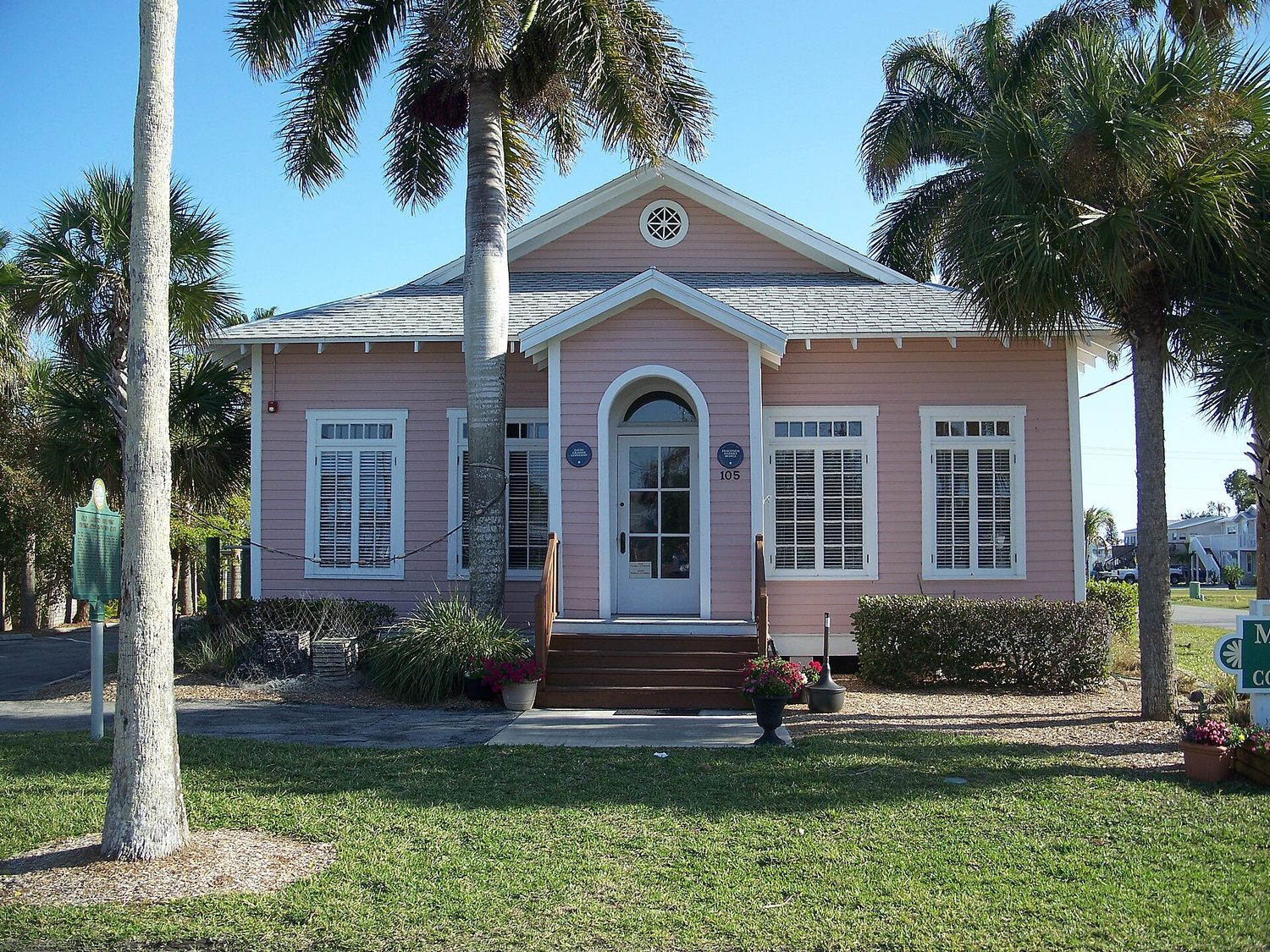
Everglades City Was Built for a Road That Never Came
Barron Collier began buying land here in 1922, and the community incorporated as the Town of Everglades in 1923. The town was named for the Everglades it sits at the edge of, and its successive charters renamed it twice before the present form stuck in 1965. Collier built the place to build a road. He funded State Road 29 from Everglades City to Immokalee, finished in 1929 ahead of the Tamiami Trail itself, and in 1928 the Atlantic Coast Line reached town—the southernmost point that railroad ever got. The road was the point, and the town was the staging ground. The original layout, with its working blocks near the water and its grid spreading inland, still shows that purpose: this was a place for moving men and materials, not a resort.
The Courthouse Era and the County That Moved Away
Everglades City was Collier County's seat from the county's creation in 1923 until two years after Hurricane Donna struck in 1960, when the legislature moved it to East Naples. The public buildings from the courthouse era remain part of the town's core, but their civic role changed. The county functions left, and the buildings that once housed administration now serve other uses or stand quieter. The loss of county offices did not tear down the town's architecture—it repurposed it. The courthouse era left a compact civic district, but the daily foot traffic of government work is gone, and the residential streets behind it feel the difference.
Seasonal Homes: Why Most Houses Sit Empty Most of the Year
The census numbers explain the feel of the residential streets. Total housing units: 343. Of those, 203 are held for seasonal or recreational use, and 234 are vacant. That means most of the town's houses are empty most of the year. The permanent population is 208 people, with a median age of 59.1 years. The mix is not abandoned homes; it is working houses that fill for stone-crab season and the winter months, then sit quiet. The streets are a grid of modest homes, some with boats and traps in the yard, and the seasonal pattern is visible in which driveways have cars. The empty houses are not a sign of decline; they are the town's economic rhythm made visible.
Stone Crab Docks: The Working Waterfront of Everglades City
The commercial fishing structures along the water are the town's real architecture. The docks, trap yards and processing buildings are functional, built for hauling stone crab and other catch, not for appearances. This is a working stone-crab town, and the waterfront reflects it. The boats tie up within sight of the town grid, and the work is physical and seasonal. The town makes its living here, and the buildings are sized for that work: sturdy, open, built for weather and weight. The waterfront is not a postcard; it is the reason the town still has a reason to exist.
Everglades National Park Visitor Center: A New Role for the Town
The Marjory Stoneman Douglas Visitor Center for Everglades National Park sits as the town's gateway to the park. Its presence says that Everglades City's role today is partly as a door to the wilderness, not just a fishing port. The building is modern, purpose-built for the National Park Service, and it draws visitors who come for the park rather than the town. Its presence gives the town a second identity: the working waterfront for the fishermen, and the park gateway for the tourists. The two uses do not compete; they occupy different parts of the town's daily life.
Life in Everglades City Today: What Residents See
The 2020 population was 352, though the census counted 208 people at the time of the survey. The median age is 59.1 years, and the unemployment rate is 0 percent. Median household income is $75,163, and the median home value is $371,400. The scale is small: a few streets, a waterfront, a visitor center, and the park at the edge of town. The daily life is quiet, seasonal and tied to the water. The buildings imply a future that is stable but not growing: the houses fill and empty with the season, the docks stay busy, and the town remains what it has been—a place built for a road that never came, now living off the water and the park.
What the Census Says About Everglades City's Buildings
| Measure | Number |
|---|---|
| Total housing units | 343 units |
| Homes held for seasonal or recreational use | 203 units |
| Vacant housing units | 234 units |
| Median home value | $371,400 |
| Median gross rent | $1,987 |
| Population at census time | 208 people |
| Median age | 59.1 years |
| Bachelor's degree or higher | 32.8 percent |
| Unemployment rate | 0 percent |
| Median household income | $75,163 |
The Everglades Seafood Festival brings 40,000 to 50,000 people for three days in February, with live country music, carnival rides, arts and crafts, and the stone crab this coast is named for. Proceeds go to schools, local charities, hurricane relief and the commercial fishing fleet. For a town of 352, that festival fills the streets with visitors who see the buildings as they are: working, weathered and still in use.
Common questions
- What happened to Everglades City being the county seat?
- Everglades City was Collier County's seat from the county's creation in 1923 until two years after Hurricane Donna struck in 1960, when the legislature moved it to East Naples. The town's population was 352 in 2020.
- Why is the town called Everglades City?
- The town is named for the Everglades it sits at the edge of. Its successive charters renamed it twice before the present form stuck in 1965: incorporated as the Town of Everglades in 1923, became the City of Everglades in 1953, and the City of Everglades City in 1965.
- What is there to see in Everglades City?
- The Marjory Stoneman Douglas Visitor Center for Everglades National Park is here. You can also read the town's buildings, which date from when Barron Collier built the place to build a road.
- How did the road get built here?
- Barron Collier began buying land here in 1922. He funded State Road 29 from Everglades City to Immokalee, finished in 1929 ahead of the Tamiami Trail itself. In 1928 the Atlantic Coast Line reached town, the southernmost point that railroad ever got.
- Is there a big event in town?
- Yes, the Everglades Seafood Festival runs three days in February and brings 40,000 to 50,000 people to a town of 352. It features live country music, carnival rides, arts and crafts, and stone crab. Proceeds go to schools, local charities, hurricane relief and the commercial fishing fleet.
- What is the town like now?
- It's a working stone-crab town. As of the latest census, the population is 208 people, the median age is 59.1 years, and the unemployment rate is 0 percent. The median home value is 371,400 dollars.
Every business named above is one we hold a listing for, and every date traces to a source on our sources page. We do not describe menus, interiors or service we have not verified. Details change — confirm before you travel.