Guides · Everglades City, Florida
Everglades City, FL: A Working Town at the Park's Edge
Everglades City was built for a road. It kept a county for a while. Now it lives at its own pace, shaped by the swamp at its edge and the seasons that bring the crowds.
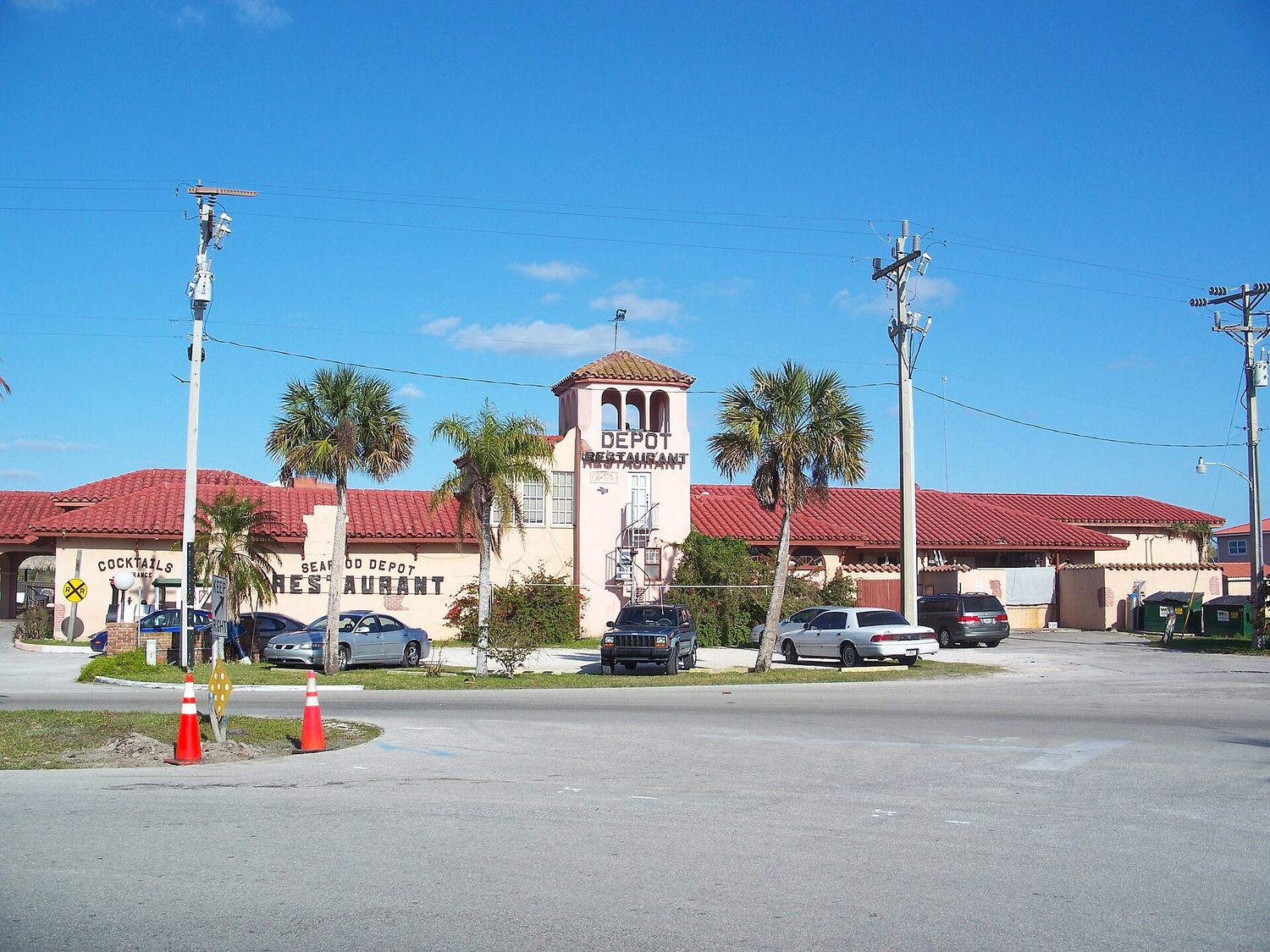
How a Road Built Everglades City
Barron Collier began buying land here in 1922, and the community incorporated as the Town of Everglades in 1923. He was not building a town for its own sake. He was building a road. Collier funded State Road 29 from Everglades City to Immokalee, finished in 1929, ahead of the Tamiami Trail itself. The town was the staging ground, the supply point, the place where the road began. In 1928, the Atlantic Coast Line reached town—the southernmost point that railroad ever got. For a few years, this place was the end of the line in every sense: the road went north, the rail stopped here, and the Everglades swallowed everything south.
The town is named for the Everglades it sits at the edge of. Its successive charters renamed it twice before the present form stuck in 1965: first the Town of Everglades, then the City of Everglades, then finally the City of Everglades City. The naming history is a small clue to how the place has always been a bit uncertain about what it is—a road town, a railhead, a county seat, a fishing port. It has been all of those, usually one at a time.
Why Everglades City Lost Its County Seat
When Collier County was created in 1923, Everglades City was made the seat. That was the arrangement for nearly four decades. Then Hurricane Donna struck in 1960, and two years later the legislature moved the county seat to East Naples. The loss was decisive. A county seat brings courthouse jobs, lawyers, clerks, the steady hum of government. When that left, the town shrank into what it is now: a small, working place of 352 people according to the 2020 census, down from the hundreds more who once filled the streets when the courthouse was open.
The move was practical—Naples was bigger, better connected, easier to reach—but it left Everglades City without its main institutional reason to exist. The town did not disappear. It turned back to what it had always known: the water, the crabs, the seasonal rhythm of the Gulf coast.
Everglades City by the Numbers: A Seasonal Town
The census figures tell the story plainly. The population is 352, and the median age is 59.1 years. Total housing units number 343, but 234 of those are vacant. Of the occupied ones, 203 are held for seasonal or recreational use. This is a town that swells and empties with the seasons—full of winter visitors, quiet in the summer heat—and the numbers reflect that. Median household income is $75,163, and median home value is $371,400, which is high for a town this small but not surprising for coastal Florida. Median gross rent is $1,987.
Unemployment is 0 percent. That sounds remarkable until you consider what it means: almost everyone who lives here works, and almost everyone who works here does something tied to the water, the park, or the few businesses that serve both. Bachelor's degree or higher: 32.8 percent. It is not an educated town by the numbers alone, but it is a skilled one—boat captains, crabbers, park rangers, guides.
What to Know About the Everglades Seafood Festival
For three days in February, the Everglades Seafood Festival brings 40,000 to 50,000 people to a town of 352. That is not a crowd; it is a flood. Live country music, carnival rides, arts and crafts, and the stone crab this coast is named for. The roads that Barron Collier built were never meant for that kind of traffic, and yet the festival works—partly because the town knows how to handle a crowd, having hosted one for a hundred years, and partly because the proceeds go somewhere real: schools, local charities, hurricane relief, and the commercial fishing fleet.
If you want to see Everglades City at its fullest, that is the weekend. The rest of the year, the town is quiet, which is its own kind of appeal.
Everglades National Park Visitor Center in Town
The Marjory Stoneman Douglas Visitor Center is the gateway to Everglades National Park. Named for the writer and activist whose book The Everglades: River of Grass helped change how the country understood this place, the center is where visitors start before heading into the park's marshes, mangroves, and sawgrass prairies. It is also a reminder of what the town sits next to: one of the largest subtropical wilderness areas in the United States, a slow-moving river of grass that defines the daily life of anyone who lives here.
The park is not a backdrop. It is the reason the town exists at all—Collier's road was built to reach the edge of it, and the town was built to serve the road. Today, the visitor center is the town's most important public face, and it brings a steady stream of people who come for the park and leave through the town's streets.
What to See and Do in Everglades City Today
State Road 29 and the railroad built Everglades City. The road is still there, running north to Immokalee, but it is no longer the main route anywhere—the Tamiami Trail and I-75 carry the traffic now. The railroad is gone entirely. What remains is a town that is both accessible and out of the way: easy to reach, but not on the way to much else. That is the trade-off of its history. The road gave it a reason to exist, and then the road moved on, leaving a small, working stone-crab town at the edge of the Everglades, with a festival that fills it for three days every February and a quiet that settles back in for the rest of the year.
| Measure | Figure |
|---|---|
| Population (2020) | 352 |
| Median age | 59.1 years |
| Total housing units | 343 |
| Vacant housing units | 234 |
| Seasonal/recreational homes | 203 |
| Median household income | $75,163 |
| Median home value | $371,400 |
| Median gross rent | $1,987 |
| Bachelor's degree or higher | 32.8% |
| Unemployment rate | 0% |
Common questions
- Why is Everglades City so small if it used to be a county seat?
- Everglades City was Collier County's seat from 1923 until two years after Hurricane Donna struck in 1960, when the legislature moved it to East Naples. The 2020 population was 352, and it remains a working stone-crab town.
- What is there to do in Everglades City besides fishing?
- The Marjory Stoneman Douglas Visitor Center for Everglades National Park is here. In February, the Everglades Seafood Festival draws 40,000 to 50,000 people for live country music, carnival rides, arts and crafts, and stone crab.
- How did Everglades City get started?
- Barron Collier began buying land here in 1922, and the community incorporated as the Town of Everglades in 1923. He funded State Road 29 to Immokalee, finished in 1929, and the Atlantic Coast Line reached town in 1928.
- Is Everglades City a good place to live full-time?
- The 2020 census counted 208 people, with a median age of 59.1. Unemployment was 0 percent, median household income was $75,163, and median home value was $371,400. Many homes are seasonal or vacant, so it's quiet.
- What is the closest major park entrance?
- The Marjory Stoneman Douglas Visitor Center for Everglades National Park is in Everglades City. It's the gateway for the park's western side, with boat tours and access to the Ten Thousand Islands.
- When is the best time to visit Everglades City?
- February is peak season because of the Everglades Seafood Festival, which brings 40,000 to 50,000 people to town. Outside that, the dry season from November through April offers cooler weather and better wildlife viewing.
Every business named above is one we hold a listing for, and every date traces to a source on our sources page. We do not describe menus, interiors or service we have not verified. Details change — confirm before you travel.