Guides · Everglades City, Florida
Living in Everglades City, FL: What to Know
Everglades City is a working stone-crab town at the edge of the national park, built for a road that never made it a metropolis, and now home to 352 people who know exactly what they have.
The Town That Was Built for a Road
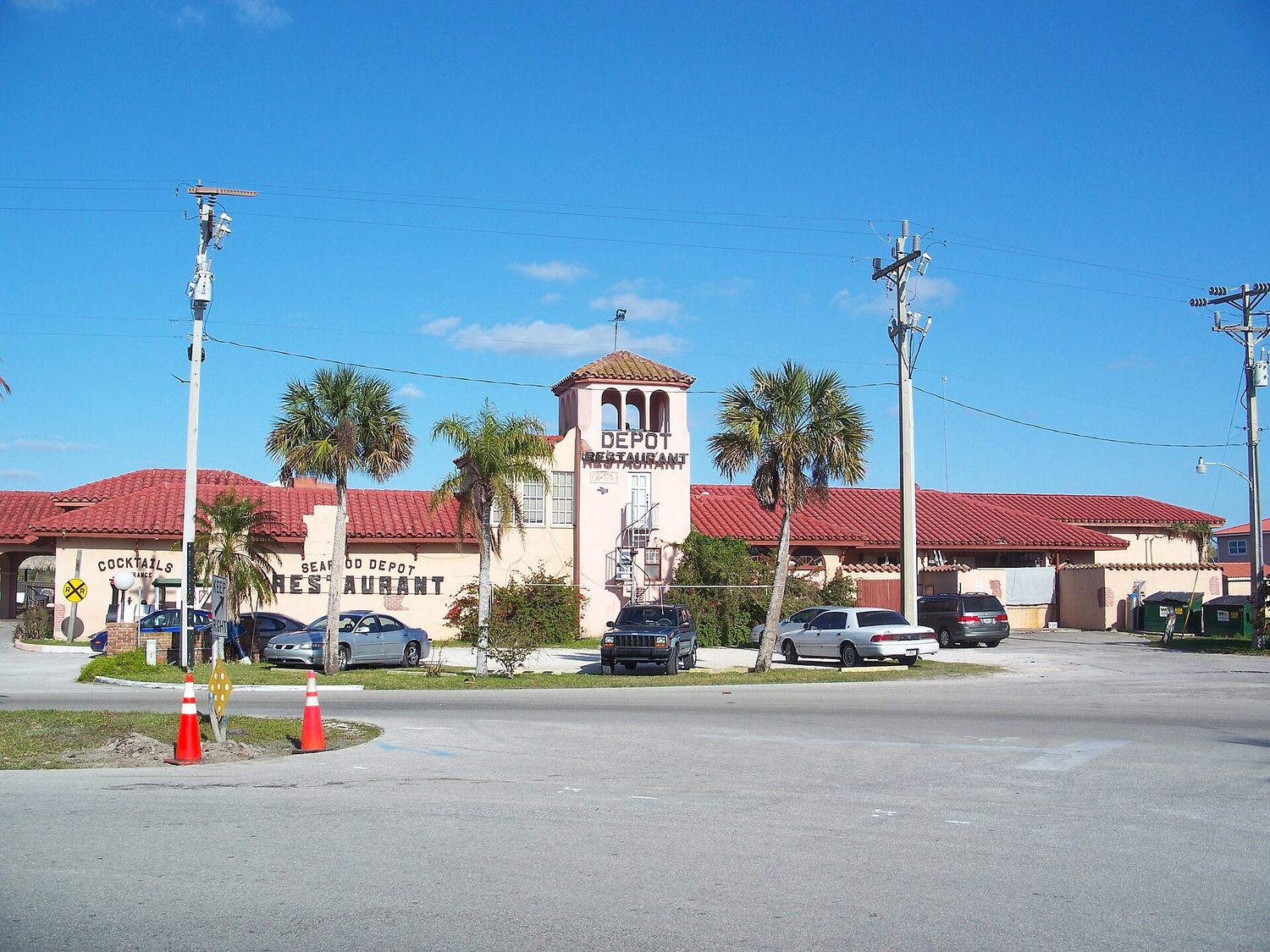
Barron Collier started buying land here in 1922, and the community incorporated as the Town of Everglades in 1923. He had a plan: build a town, build a road, connect the Gulf coast to the rest of Florida. He funded State Road 29 from Everglades City to Immokalee, finished in 1929, ahead of the Tamiami Trail itself. That same year, the Atlantic Coast Line reached town—the southernmost point that railroad ever got.
The town is named for the Everglades it sits at the edge of. Its successive charters renamed it twice: the City of Everglades in 1953, then the City of Everglades City in 1965. The name stuck, even as the reason for the town's existence shifted.
A County Seat That Lost Its County
From 1923, Everglades City was the seat of Collier County. Then Hurricane Donna hit in 1960. Two years later, the legislature moved the county seat to East Naples. The town didn't disappear—it just stopped being the center of anything except its own quiet life.
The 2020 census counted 352 people. The median age is 59.1 years. This is not a town of newcomers; it's a town of people who stayed, or who came specifically to be here, not to pass through.
What the Numbers Say
The census figures tell a particular story. There are 343 total housing units, but 234 are vacant. Of the occupied homes, 203 are held for seasonal or recreational use. That means the year-round population is small, and the town swells and shrinks with the seasons.
The unemployment rate is 0 percent. Median household income is $75,163. Median home value is $371,400. Median gross rent is $1,987. About 32.8 percent of residents hold a bachelor's degree or higher.
The Park at the Doorstep
The Marjory Stoneman Douglas Visitor Center for Everglades National Park sits in town. It's the gateway to the park's Gulf Coast section, where the mangrove rivers and backcountry launches are. For residents, it's not a tourist attraction—it's the neighbor that brings the occasional visitor, and the reason the town has a reason to exist beyond the road.
The Road That Started It All
State Road 29, Collier's road to Immokalee, was completed in 1929. It still runs north out of town, through the swamp and farmland, toward the interior. It's the same road that made this town possible, and it's still the way out.
The Festival That Brings 40,000 People to a Town of 352
Once a year, in February, the Everglades Seafood Festival takes over for three days. It draws 40,000 to 50,000 people to a town of 352. There's live country music, carnival rides, arts and crafts, and the stone crab this coast is named for. Proceeds go to schools, local charities, hurricane relief, and the commercial fishing fleet.
What It's Like to Live Here
Living in Everglades City means knowing the tide schedule. It means understanding that the park is not a backdrop but a working landscape. It means the road out is the same road in, and that's fine.
The town is not a museum of its own history. The railroad is gone, the county seat is gone, but the stone-crab boats still work the Gulf. The visitor center still brings people who want to see the real Everglades, not the postcard version.
The median age of 59.1 years suggests a place where people come to settle into a slower rhythm. The 0 percent unemployment rate suggests that those who live here work, and work locally. The high rate of seasonal homes suggests that many people want to be here, even if only part of the year.
What It Isn't
It isn't a resort. It isn't a retirement community with golf carts and gated entrances. It's a town that was built for a purpose—a road, a railroad, a county seat—and when those purposes faded, it didn't reinvent itself as something else. It just kept being a town.
The people who live here year-round are the ones who chose it. They didn't stumble into it. They know the nearest big hospital is an hour away. They know the hurricane season is real. They know that when the festival comes, their quiet town will be overrun for a weekend, and then it will go back to being quiet.
The Bottom Line
Everglades City is a place with a specific history, a specific economy, and a specific pace. It's not for everyone. It's for people who understand that a town can be small without being fragile, and that a place can lose its county seat and still know exactly what it is.
The 2020 population was 352. The median home value is $371,400. The unemployment rate is 0 percent. The road that built the town is still there. The park is still there. The stone crab is still there.
That's what it's like to live in Everglades City. It's a town that knows its own name, even if it took three charters to get it right.
Common questions
- What is Everglades City known for?
- It's a working stone-crab town and the gateway to Everglades National Park. It was once the county seat of Collier County, but lost that role in 1962 after Hurricane Donna. Today it's a small community of 352 people with a strong commercial fishing fleet.
- How did Everglades City get its name and start?
- It's named for the Everglades it sits at the edge of. Barron Collier began buying land here in 1922, and the town incorporated in 1923. It was renamed twice before becoming the City of Everglades City in 1965.
- Why is the town so small now?
- Everglades City's population was 352 in 2020, and the median age is 59.1. Many homes are seasonal—203 of 343 housing units are for recreational use, and 234 are vacant. It's a quiet place with a 0% unemployment rate.
- What's the best time to visit Everglades City?
- February is the big month. The Everglades Seafood Festival brings 40,000 to 50,000 people over three days, with live country music, carnival rides, and stone crab. It's a major event for a town of 352.
- Is Everglades City a good base for exploring the Everglades?
- Yes. The Marjory Stoneman Douglas Visitor Center for Everglades National Park is here. The town sits right at the edge of the Everglades, and State Road 29, built by Barron Collier in 1929, connects north to Immokalee.
- What happened to the county seat?
- Everglades City was Collier County's seat from 1923 until two years after Hurricane Donna struck in 1960. Then the legislature moved it to East Naples. The town kept its name but lost its administrative role.
Every business named above is one we hold a listing for, and every date traces to a source on our sources page. We do not describe menus, interiors or service we have not verified. Details change — confirm before you travel.