Guides · Everglades City, Florida
What People Get Wrong About Everglades City, FL
Everglades City is a working stone-crab town of 352 people, built on a road that never arrived and shaped by a county seat it no longer holds.
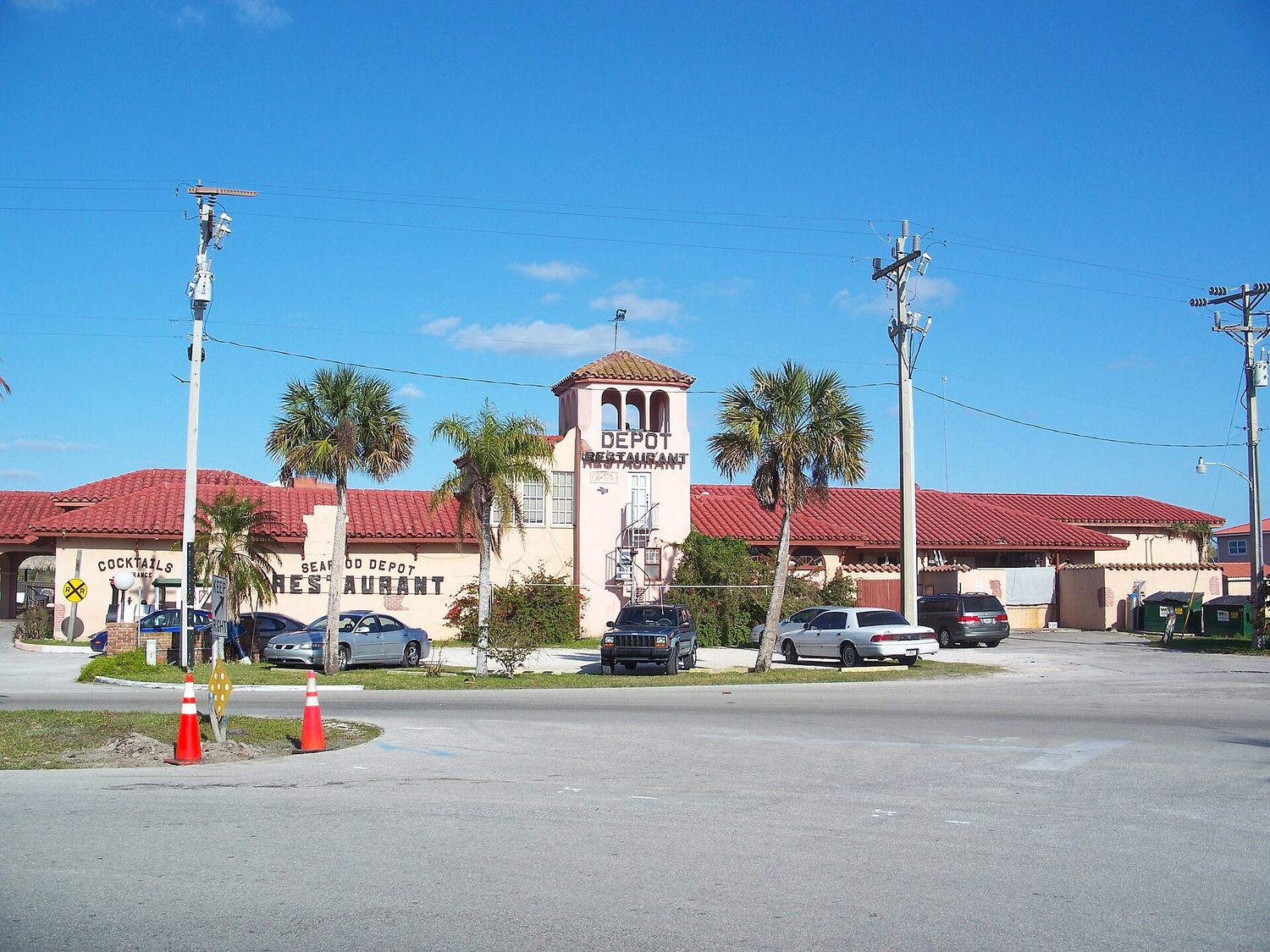
A Town Built for a Road That Never Came
Barron Collier began buying land here in 1922, and the community incorporated as the Town of Everglades in 1923. Collier’s purpose was not a town for its own sake—it was a staging ground for a road. He funded State Road 29 from Everglades City to Immokalee, completed in 1929, ahead of the Tamiami Trail itself. In 1928, the Atlantic Coast Line reached town, the southernmost point that railroad ever got. For a moment, Everglades City was a genuine transportation hub: rail, road, and water converging at the edge of the swamp. The boom was real, but it was built on a promise of connection that never fully materialized. The road went north, the railroad came and went, and the town settled into what it actually was—a place at the end of the line.
The County Seat That Lost Its County
Everglades City was Collier County’s seat from the county’s creation in 1923. That status lasted until two years after Hurricane Donna struck in 1960, when the legislature moved the seat to East Naples. The storm was the immediate cause, but not the only one. Naples was growing, had more people, and had more political weight. Everglades City, damaged and remote, lost the argument. The county seat moved, and the town shrank into what the census now records: 352 people as of 2020. It is a county seat that lost its county—not by decline, but by a political calculation made after a hurricane.
A Town of 352 That Hosts 40,000 Visitors
For three days in February, the Everglades Seafood Festival brings 40,000 to 50,000 people into a town of 352. The event features live country music, carnival rides, arts and crafts, and the stone crab this coast is named for. Proceeds go to schools, local charities, hurricane relief, and the commercial fishing fleet. That last part matters. The festival is not a novelty act for outsiders; it is a fundraiser for the town’s working infrastructure. The town sustains itself through that event, through seasonal residents, and through the fishing fleet that operates year-round.
What the Census Really Shows About Everglades City
The 2020 census data tells a specific story. The population was 208 people by the time of the count, with a median age of 59.1 years. There are 343 total housing units, but 234 are vacant, and 203 are held for seasonal or recreational use. Median home value is $371,400, and median gross rent is $1,987. Unemployment is 0 percent, and median household income is $75,163. What does this mean? The town is not poor, but it is not full. Most houses are empty most of the year. The people who live there work—commercial fishing, park service, guiding—and the housing stock is priced for people who visit, not for people who stay. That is the quiet tension of the place: a working town whose real estate is increasingly seasonal.
The Real Everglades: A Gateway, Not a Theme Park
The town sits at the edge of Everglades National Park, and the Marjory Stoneman Douglas Visitor Center serves as the park’s western gateway. But the town’s character is set by the waterfront, not the interpretive exhibits. The commercial fishing fleet works out of the docks, and the daily rhythm follows tides and seasons, not tour bus schedules. Stone crab season, running through the cooler months, is when the town is most itself. That is the better time to see it: not during the festival, but on a working day when the boats are out.
What People Get Wrong About Everglades City
People call it a ghost town because the census says 352. They call it a tourist trap because of the festival. Both miss the point. It is a place that was built for a road and a railroad, lost its county seat to a storm and a political shift, and kept working anyway. The population is small, the housing is mostly seasonal, and the median age is high—but unemployment is zero, and the town still hosts tens of thousands of visitors each February without becoming a theme park. Everglades City is not a relic. It is a working town at the end of the road, doing what it has always done.
| Town | Annual Event |
|---|---|
| Everglades City | Everglades Seafood Festival |
| Arcadia | All-Florida Championship Rodeo |
| Okeechobee | Speckled Perch Festival and Parade |
| Stuart | Stuart Boat Show |
| Sebastian | Sebastian Clambake Lagoon Festival |
| Dade City | Kumquat Festival |
| Clermont | Pig on the Pond |
Common questions
- Is Everglades City still the county seat of Collier County?
- No. It was the county seat from 1923 until two years after Hurricane Donna hit in 1960, when the legislature moved it to East Naples. The town now has 352 people and is a working stone-crab town, not a government center.
- Why is the town called Everglades City if it's so small?
- It sits at the edge of the Everglades, and its charters renamed it twice—Town of Everglades in 1923, City of Everglades in 1953, and City of Everglades City in 1965. The name stuck, even as the population dropped to 352 by 2020.
- What's there to do in Everglades City besides fishing?
- The Marjory Stoneman Douglas Visitor Center for Everglades National Park is here. In February, the Everglades Seafood Festival draws 40,000 to 50,000 people for live country music, carnival rides, arts and crafts, and stone crab. Proceeds go to schools and the fishing fleet.
- How did Everglades City get started?
- Barron Collier began buying land here in 1922. He funded State Road 29 from Everglades City to Immokalee, finished in 1929, and in 1928 the Atlantic Coast Line reached town—the southernmost point that railroad ever got. The town was built to build a road.
- Is Everglades City a good place to live permanently?
- It's a small working town. The 2020 census counted 208 people, with a median age of 59.1. The unemployment rate is 0 percent, but 234 of 343 housing units are vacant, and 203 are seasonal. Median home value is $371,400.
- What's the closest big event to Everglades City?
- The Everglades Seafood Festival, three days in February, brings 40,000 to 50,000 people to a town of 352. It features stone crab, live country music, carnival rides, and arts and crafts. Proceeds support local schools, charities, hurricane relief, and the commercial fishing fleet.
Every business named above is one we hold a listing for, and every date traces to a source on our sources page. We do not describe menus, interiors or service we have not verified. Details change — confirm before you travel.